Ramsey County First Time Home Buyer Programs: Complete Guide to Eligibility, Assistance, and Application
This guide explains Ramsey County first time home buyer programs and shows how eligible buyers can secure down payment and closing cost assistance while choosing the right mortgage. You will learn what the Ramsey County FirstHOME program provides, how Minnesota Housing Start Up and Step Up loans compare, the mechanics of deferred loans and grants, and step-by-step application actions that improve approval odds. Many first-time buyers face rising prices and limited savings; this article maps eligibility rules, required documentation, homebuyer education, and practical pairings between assistance programs and mortgage products to reduce out-of-pocket costs. The guide also outlines mortgage options from participating lenders and recent Ramsey County market trends that affect timing and affordability, with clear action steps and checklists to help you move from prequalification to closing confidently. Throughout, the content emphasizes Ramsey County program names and terms like Ramsey County FirstHOME, Minnesota Housing Start Up, down payment assistance Ramsey County, and how participating lenders support applications.
What Ramsey County FirstHOME Program Benefits Are Available for First Time Buyers?
The Ramsey County FirstHOME program provides targeted down payment and closing cost assistance through low-interest or deferred second mortgages designed to bridge the affordability gap for first-time buyers. Mechanically, FirstHOME pairs a primary mortgage with a subordinate assistance loan that may be deferred or forgivable depending on program rules, which reduces upfront cash needed at closing and improves monthly affordability. The program typically requires homebuyer education and applies income and purchase price limits to ensure assistance goes to households that meet local affordability objectives. Below is a compact comparison that highlights key attributes of FirstHOME versus common Minnesota Housing options for quick reference.
The table below compares core attributes of Ramsey County FirstHOME against representative Minnesota Housing assistance to clarify typical limits and requirements.
This comparison clarifies how FirstHOME operates alongside state programs: FirstHOME is county-level assistance intended to be combined with a primary mortgage, while Minnesota Housing products offer state resources with different caps and pairing rules. Understanding these differences helps buyers decide which combination of assistance and loan product best matches their income, purchase price, and location constraints.
How Does the FirstHOME Program Support Down Payment and Closing Costs?
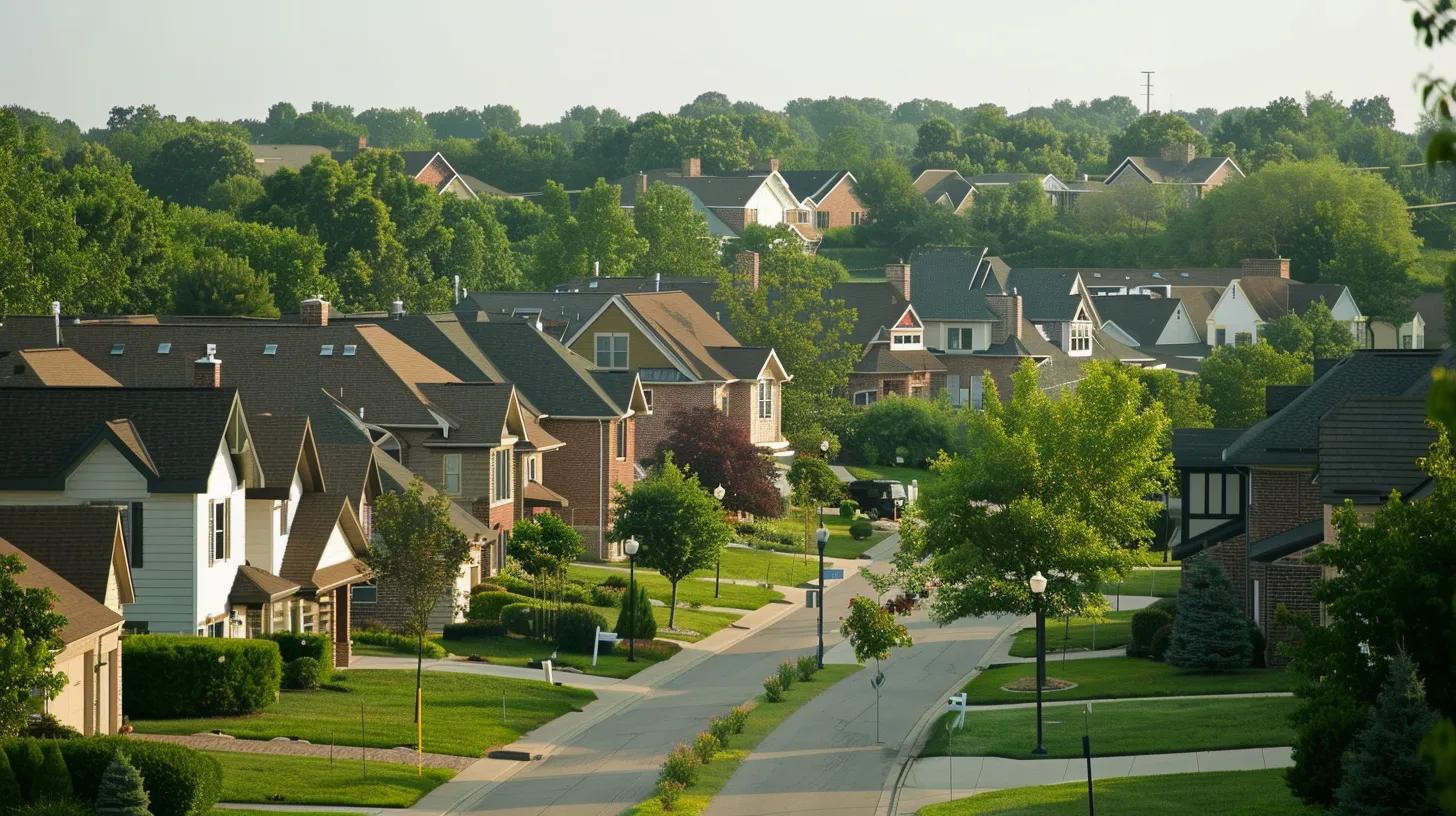
FirstHOME typically assists buyers by providing a subordinate loan or grant at closing that covers part or all of the down payment and often eligible closing costs, reducing the amount the borrower must bring to the table. The mechanism commonly used is a deferred second mortgage at 0% interest that remains unpaid until sale, refinance, or transfer; other variants include forgivable loans that disappear after a set occupancy period, improving long-term affordability. For example, a deferred $15,000 assistance amount applied at closing lowers initial cash due and can be paired with a conventional or government loan, subject to program stacking rules that determine maximums. Understanding repayment triggers and resale implications is critical, because deferred loans may require repayment if the homeowner sells within a defined timeframe, which affects long-term planning and affordability.
Who Is Eligible for the Ramsey County FirstHOME Program?
Eligibility for FirstHOME is defined by being a first-time buyer (or meeting first-time exceptions), household income thresholds, purchase price caps, and property type restrictions that ensure funds support owner-occupied housing. Income limits are adjusted for household size and set to target moderate-income households; purchase price caps vary by jurisdiction and property type, so buyers must verify local figures before making an offer. Required documentation normally includes pay stubs, tax returns, identification, asset statements, and a certificate of completion for an approved homebuyer education course. These eligibility elements, taken together, determine whether a buyer can access assistance and how much aid is available, which leads directly to identifying suitable mortgage pairings and lender participation.
Which Down Payment Assistance and Mortgage Programs Serve Ramsey County First Time Home Buyers?
Ramsey County buyers can access a mix of county and statewide assistance: Ramsey County FirstHOME, Minnesota Housing Start Up, Minnesota Housing Step Up, deferred second loans, and occasional forgivable grant opportunities that reduce upfront costs. These programs function as hyponyms under the broader hypernym of first-time home buyer assistance and are often structured to pair with mortgage loan products such as conventional, FHA, VA, or USDA loans depending on property eligibility. Below is a program mapping that connects borrower profiles to assistance types and repayment characteristics to help readers identify realistic options.
This mapping highlights that most assistance is designed for lower-to-moderate income households and is often repayable only under certain conditions; pairing a primary mortgage with the right assistance product is vital for minimizing upfront cash while preserving long-term stability. With program options clarified, buyers can prioritize which assistance to pursue and prepare documentation accordingly.
After comparing programs, many buyers benefit from working with a participating lender that understands stacking rules and documentation requirements for Ramsey County and Minnesota Housing products. Participating lenders coordinate loan packaging, confirm program compatibility with the primary mortgage, and submit required paperwork to county or state administrators. The next section explains the practical application steps and required documentation for applying to these programs.
How Can First Time Home Buyers Apply for Ramsey County Assistance Programs?
Applying for Ramsey County and Minnesota Housing assistance follows a clear sequence: prequalification, education completion, assistance application, and closing, each with specific actions and timelines that affect approval speed. Buyers should start by getting prequalified with a lender to establish a target purchase price and identify which assistance products they qualify for, then complete an approved homebuyer education course because certificates are usually required at submission. The application phase includes compiling documentation, coordinating lender submission to program administrators, and tracking conditional approvals through to closing. Below is a step-by-step list designed to serve as a practical checklist for first-time buyers preparing applications.
- Get prequalified by a participating lender to determine maximum mortgage and assistance eligibility.
- Complete an approved homebuyer education course and obtain the certificate required by programs.
- Collect required documentation: pay stubs, tax returns, bank statements, ID, and proof of household composition.
- Select a property that meets program geographic and price caps and have your lender confirm loan/product compatibility.
- Submit the assistance application through the lender or county program administrator and respond to requests for verification.
- Coordinate closing with title and lender so assistance funds are applied at settlement according to program instructions.
This numbered process reduces uncertainty and clarifies responsibilities between buyer, lender, and program administrator, which improves timing and approval odds for down payment and closing cost assistance.
What Is the Step-by-Step Application Process for First Time Buyer Programs?
The application workflow begins with lender prequalification and runs through final closing, with each step requiring specific documentation and actions that the buyer and lender must coordinate. After prequalification and homebuyer education, the buyer identifies an eligible property and executes a purchase agreement contingent on assistance approval when necessary, then the lender assembles the mortgage application and assistance forms for county/state review. Program administrators evaluate income, purchase price, and eligibility documentation; conditional approvals are issued, after which any outstanding conditions must be cleared before closing. Final settlement applies assistance funds per program rules, and the buyer receives deed and loan documents that outline any future repayment triggers or forgiveness timelines.
What Homebuyer Education Resources Are Required and Available in Ramsey County?
Ramsey County and Minnesota Housing programs require completion of an approved homebuyer education course that covers budgeting, mortgage basics, credit, and ownership responsibilities, and these courses are offered online and in person by several certified providers. The education certificate is a necessary part of assistance application packages, and providers typically issue a verified completion record that the lender includes with the submission. Typical course topics include creating a realistic household budget, understanding mortgage types and escrow, home maintenance planning, and foreclosure avoidance strategies. Buyers should confirm the list of approved providers with their lender or program administrator to ensure the course certificate satisfies program rules.
What Mortgage Loan Options Does Refined Lending Offer for Ramsey County First Time Buyers?

Refined Lending (a division of Luminate Bank) functions as a participating mortgage lender that offers conventional, FHA, VA, and USDA loan products which can be paired with Ramsey County or Minnesota Housing assistance depending on eligibility and property type. As a participating lender, Refined Lending helps borrowers identify which mortgage type best aligns with available down payment assistance, prepares required documentation, and submits assistance applications to county and state administrators in coordination with the buyer. The table below outlines typical loan attributes and guidance for first-time buyers to compare options in the Ramsey County context.
This comparison helps buyers see how each loan type pairs with assistance: deferred second loans from Ramsey County can reduce cash needed for down payment on conventional or FHA loans, while VA and USDA loans have property eligibility rules that affect pairing choices. Refined Lending’s role as a participating lender includes verifying program stacking rules, preparing combined loan documents, and acting as liaison with program administrators to streamline approval.
How Do Conventional, FHA, VA, and USDA Loans Compare for First Time Buyers?
Conventional loans generally require higher credit and down payment but may avoid long-term mortgage insurance if sufficient equity exists, while FHA reduces down payment barriers at the cost of upfront and annual mortgage insurance premiums. VA loans offer powerful benefits like zero down payment and no private mortgage insurance for eligible veterans but require service eligibility and a valid Certificate of Eligibility; USDA loans provide zero down payment for qualifying rural properties but limit eligible geography. Each loan type pairs differently with assistance: deferred county second mortgages often augment FHA or conventional loans by covering down payment gaps, while VA and USDA require confirmation that assistance does not violate their lien or occupancy rules. Buyers should compare expected monthly payments, upfront costs, and program stacking compatibility when selecting a mortgage.
Research further supports the idea that down payment assistance can significantly influence a buyer’s mortgage choice, often enabling them to opt for more advantageous loan products.
Down Payment Assistance: Impact on Mortgage Choice & Homeownership
Lack of wealth for a down payment is one of the most recognized barriers to home ownership. In response to this barrier, state and federal government have implemented many programs that provide down payment assistance to potential home buyers. Numerous studies have shown that this assistance can increase homeownership rates, but few have measured how receiving assistance may alter borrowing behavior. Using data from a down payment assistance grant in the Midwest, this study compares the loan type and size of grant recipients to other borrowers that report similar income and buy homes in the same census tract. Results indicate grant recipients are more likely to use conventional loans, which are less expensive than other loan types that require a smaller down payment. Estimates also suggest that the grant may reduce loan size for borrowers who are on the margin of using a conventional loan.
The effect of down payment assistance on mortgage choice, BJ Lang, 2014
How Does Refined Lending Facilitate Access to Ramsey County Assistance Programs?
As a participating lender, Refined Lending assists by assessing eligibility for county and state assistance, packaging the primary mortgage and subordinate assistance documentation, and submitting applications to program administrators while tracking conditions to closing. The lender coordinates homebuyer education verification, orders required inspections and appraisals, and ensures program deadlines and income calculations conform to Ramsey County or Minnesota Housing rules. This liaison role reduces administrative burden for buyers and helps prevent common delays related to missing documentation or stacking incompatibilities between assistance and mortgage products. Buyers starting with Refined Lending can expect guidance on documentation, a review of program eligibility, and coordinated submission of assistance applications as part of the mortgage process.
What Are the Current Ramsey County Housing Market Trends Affecting First Time Buyers?
Current Ramsey County market trends in early 2024 show continued pressure on affordability driven by limited inventory and mortgage rates that remain elevated compared with earlier cycle lows, which together influence buyer leverage and offer strategies. Median home prices have risen relative to several years ago, tightening the price bands where first-time buyers can compete without substantial down payment resources, which makes down payment assistance more impactful for enabling purchases. Days on market and seller behavior vary by neighborhood—some suburban areas show longer listing times while core urban neighborhoods remain competitive—so buyers should align search strategy with affordability objectives. Understanding these market dynamics helps buyers time offers, choose neighborhoods with favorable value, and pair assistance programs with mortgage products that fit current pricing pressures.
How Have Median Home Prices and Market Conditions Changed Recently?
Median prices in Ramsey County have trended upward over recent reporting periods, reflecting modest annual appreciation that, combined with prevailing mortgage rates, increases monthly payment obligations for typical first-time buyer budgets. Market conditions indicate variance by submarket: some suburban pockets have seen inventory gains that improve negotiation leverage, while core neighborhoods continue to attract competitive offers and quick sales. These dynamics mean first-time buyers must be prequalified, have documentation ready, and consider contingency strategies like escalation clauses or flexible closing timelines to remain competitive. Being prepared with prequalification and an understanding of assistance program timelines can convert market pressure into an actionable plan for securing an offer.
What Affordability Challenges and Opportunities Exist for First Time Buyers?
Affordability challenges include higher median prices, limited inventory in entry-level price ranges, and the impact of interest rates on monthly payments, but programs such as Ramsey County FirstHOME and Minnesota Housing assistance present tangible opportunities to bridge cash shortfalls at purchase. Strategic approaches include expanding search radius to adjacent neighborhoods with lower price points, pairing deferred assistance with lower-down payment mortgage products, and targeting properties that need modest rehabilitation where assistance may apply. Buyers can improve affordability by optimizing credit to qualify for lower rates, saving for earnest money, and using lender guidance to stack assistance correctly. These tactics turn program availability into practical opportunities for first-time buyers navigating a competitive market.
What Frequently Asked Questions Do Ramsey County First Time Home Buyers Have?
First-time buyers commonly ask about income limits, purchase price caps, and how to combine assistance with different mortgage types; concise direct answers can clarify eligibility and next steps. Short Q&A responses below address the most frequent concerns and link conceptually back to detailed sections on assistance mechanics, application steps, and homebuyer education. The answers aim to be clear so buyers can quickly determine whether they likely qualify and what documentation to prepare next.
What Income Limits and Purchase Price Caps Apply to Assistance Programs?
Income limits and purchase price caps vary by program and are adjusted for household size, meaning a four-person household typically has a higher income threshold than a single borrower; these figures are reviewed periodically to reflect local affordability. Purchase price caps limit eligible properties to those that meet program affordability goals and may differ between Ramsey County programs and Minnesota Housing products; verifying the current caps is essential before making an offer. Because these numbers change, buyers should work with a participating lender to obtain the most recent limits and calculate eligibility accurately based on household composition and income documentation. Understanding these caps early helps buyers select neighborhoods and properties that meet program criteria without wasting time on ineligible listings.
How Do I Qualify for Down Payment and Closing Cost Assistance?
Qualifying generally requires first-time buyer status (or an allowable exception), meeting household income limits, selecting an eligible property under purchase price caps, and completing an approved homebuyer education course, along with standard mortgage underwriting criteria. Required documentation typically includes recent pay stubs, W-2s or tax returns, bank statements, valid ID, and the homebuyer education completion certificate; lenders and program administrators use these documents to verify income, assets, and household composition. After assembling documentation, buyers submit applications through a participating lender or county office, respond promptly to verification requests, and maintain clear communication through to closing. Being organized and prequalified greatly improves the likelihood of timely assistance approval and a smooth settlement.
For buyers who want hands-on support combining program choices with mortgage selection, Refined Lending (a division of Luminate Bank) is available as a participating lender that can review eligibility, package applications, and coordinate with Ramsey County or Minnesota Housing administrators. Working with a lender experienced in county and state assistance programs reduces administrative steps for the buyer and helps ensure stacking rules and documentation meet program requirements. If you prefer direct assistance, a participating lender can provide a prequalification review and outline next steps to apply for FirstHOME or Minnesota Housing Start Up/Step Up assistance.
Refined Lending can help guide borrowers through prequalification, confirm which assistance programs apply to a buyer’s profile, and coordinate submission of assistance documentation with program administrators to support an efficient path to closing. The lender’s facilitation role focuses on paperwork coordination, program compatibility checks, and milestone tracking rather than on providing guarantees about program approvals. Buyers interested in a consult should request a prequalification and eligibility review from a participating lender to clarify next steps and prepare documentation in alignment with Ramsey County program timelines.
Conclusion
Understanding the various first-time home buyer programs in Ramsey County empowers buyers to navigate the complexities of down payment and closing cost assistance effectively. By leveraging options like the Ramsey County FirstHOME program and Minnesota Housing assistance, eligible buyers can significantly reduce their upfront financial burdens and enhance their homeownership prospects. We encourage you to connect with a participating lender to explore tailored solutions that align with your unique financial situation. Take the first step towards homeownership today by reaching out for a prequalification review and guidance on available assistance programs.